
 Česko
Česko Danmark
 Deutschland
 Eesti
Eesti España
 France
 Hrvatska
 Ireland
 Italia
 Latvija
 Lietuva
 Magyarország
 Nederland
 Österreich
 Polska
 Portugal
 România
 Slovenija
 Slovensko
 Suomi
Suomi Sverige
 България
 Ελλάδα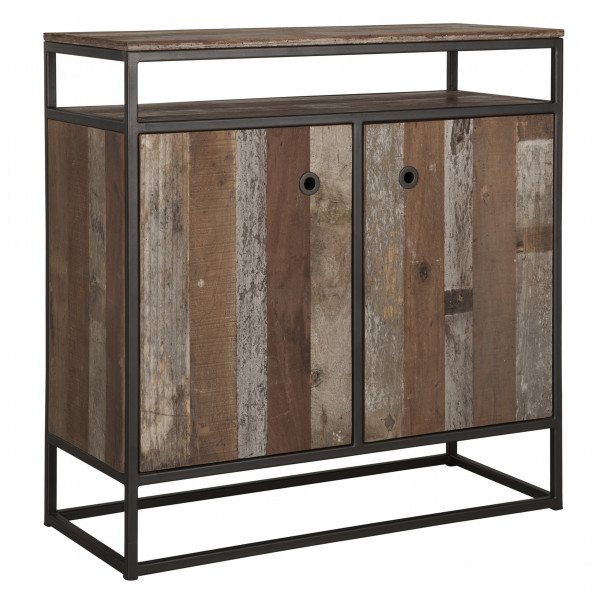
Sideboards
Find a sideboard to store dishes, table linens and everyday objects. Compare length, depth, doors, drawers, shelves, material and delivery time.
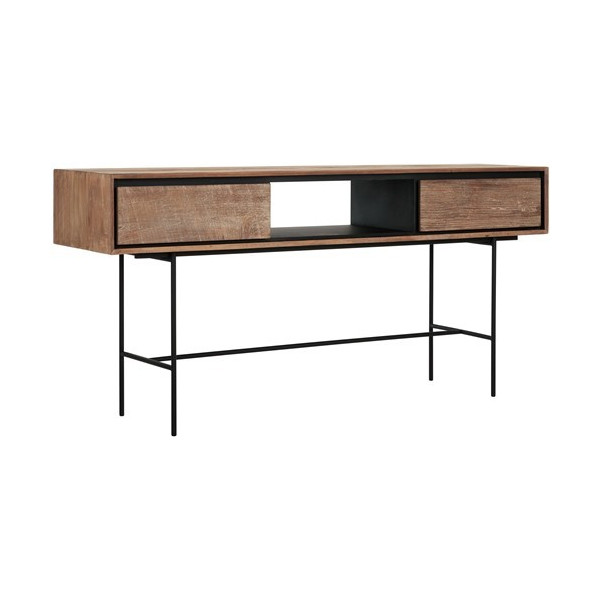
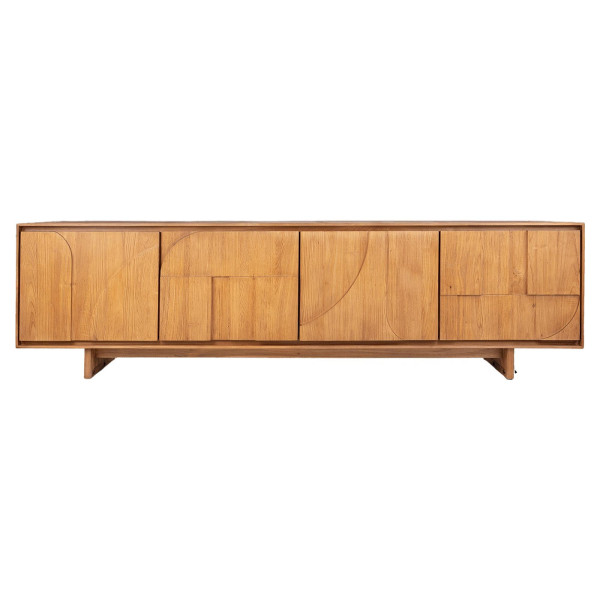
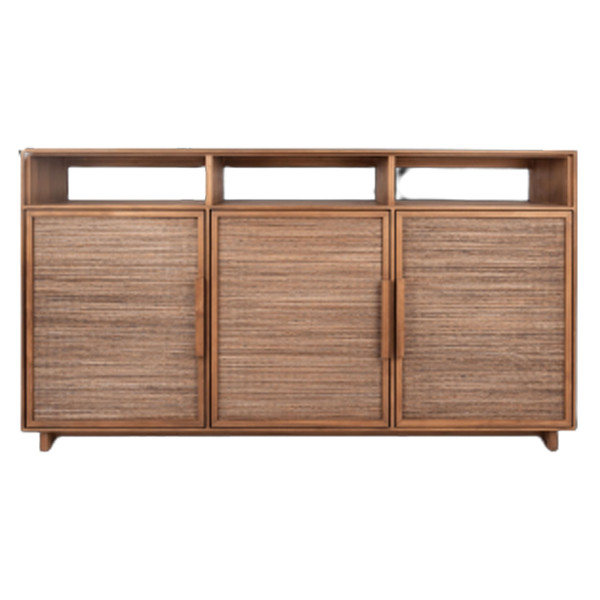
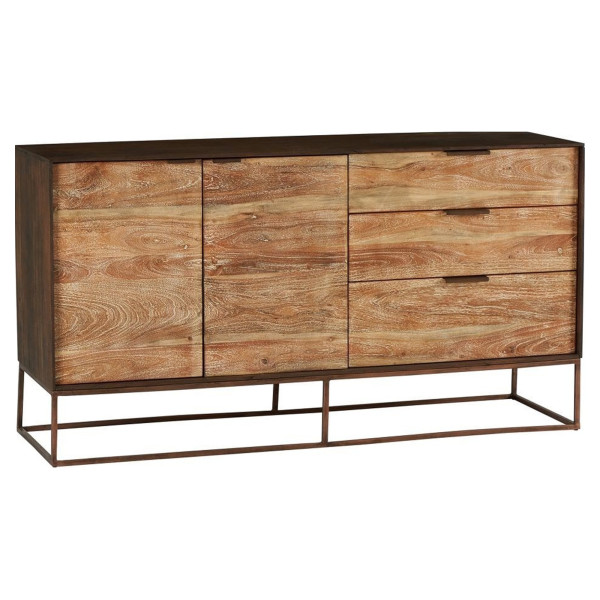


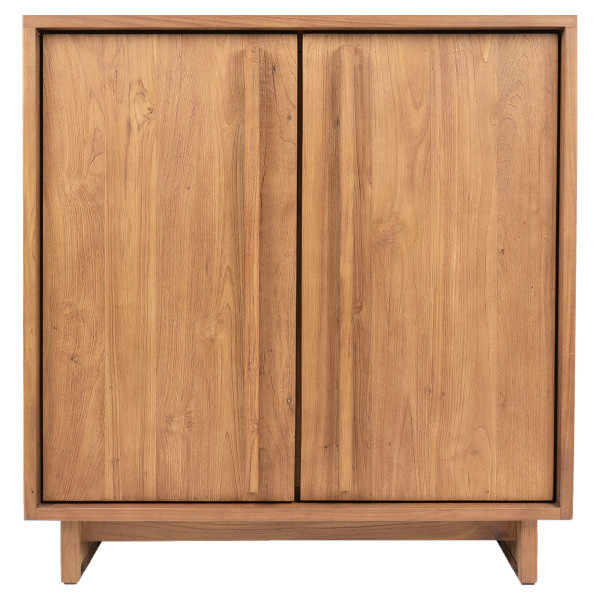
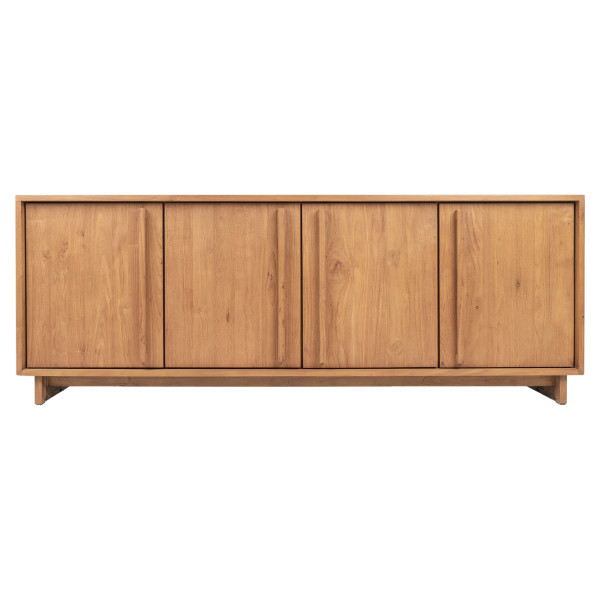
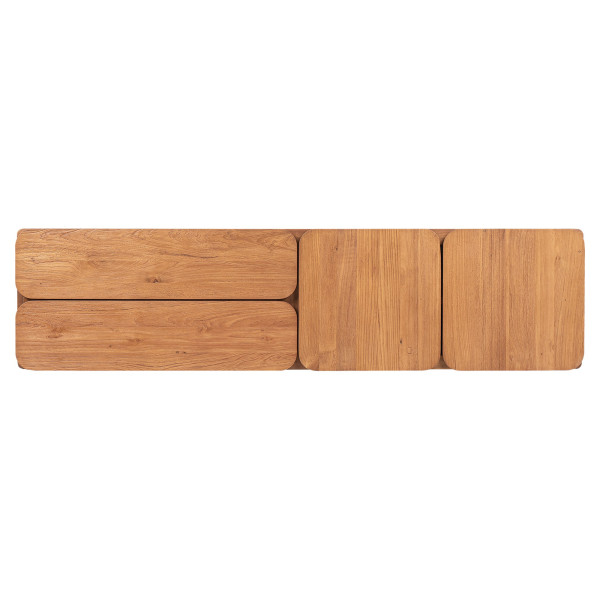
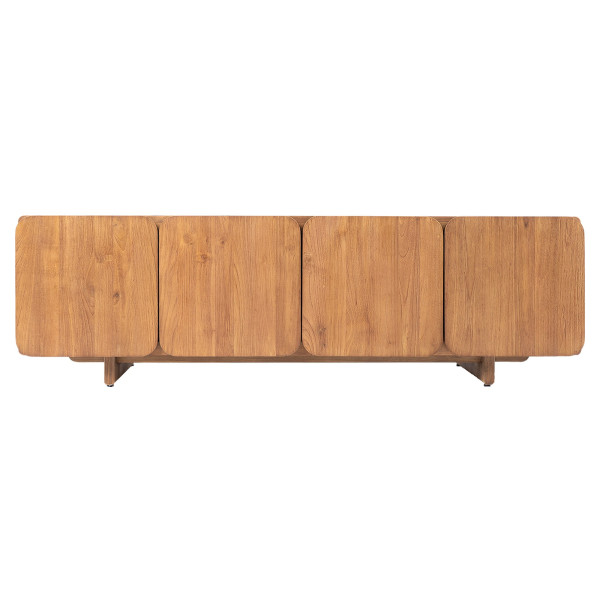
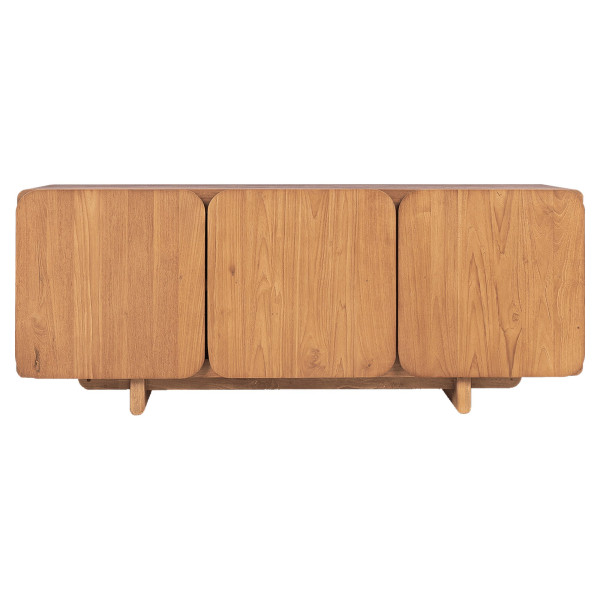

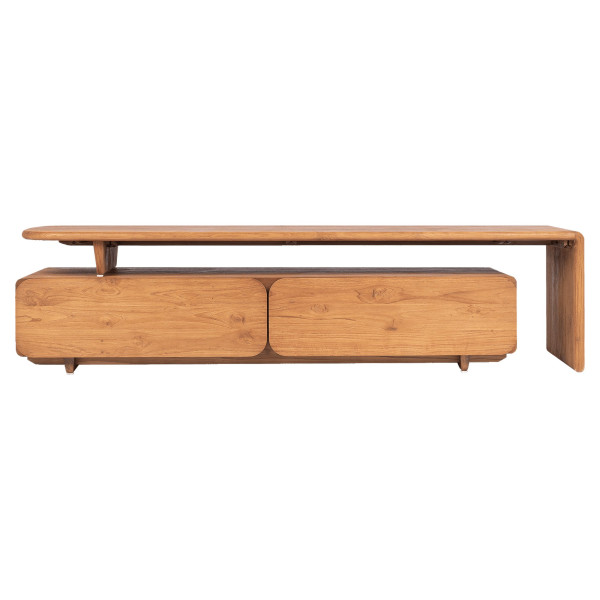

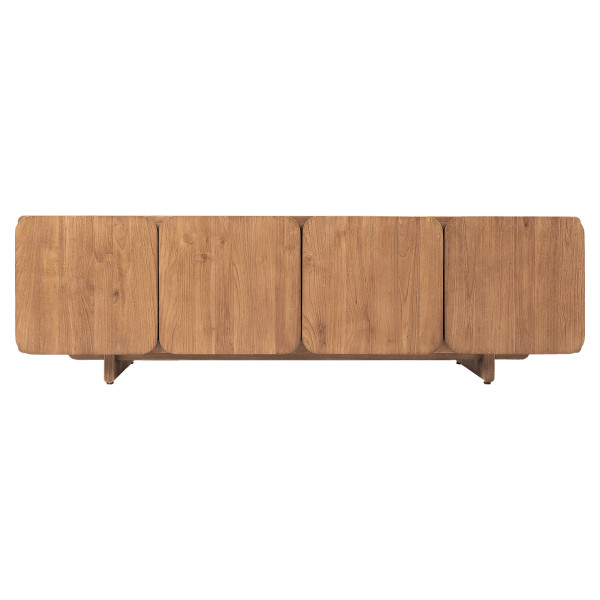
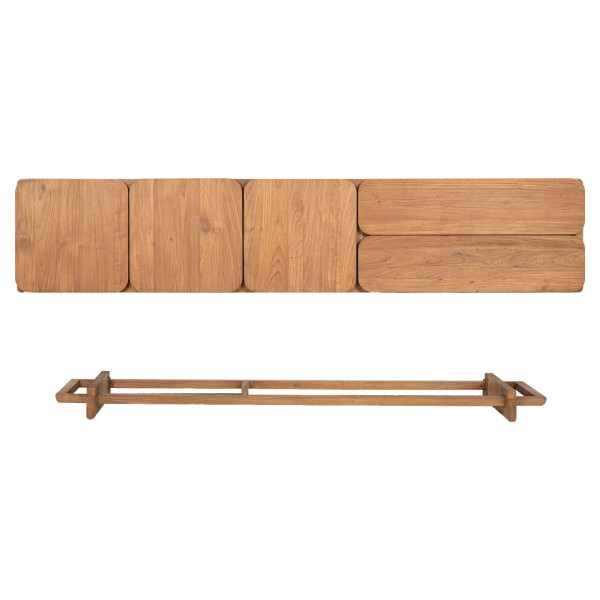
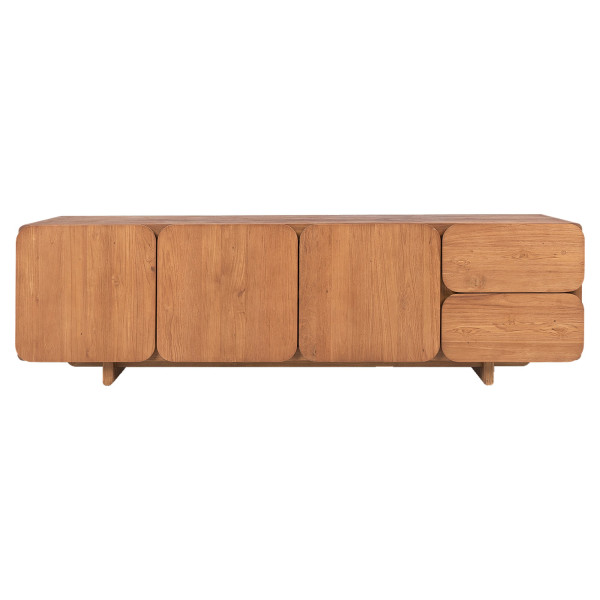
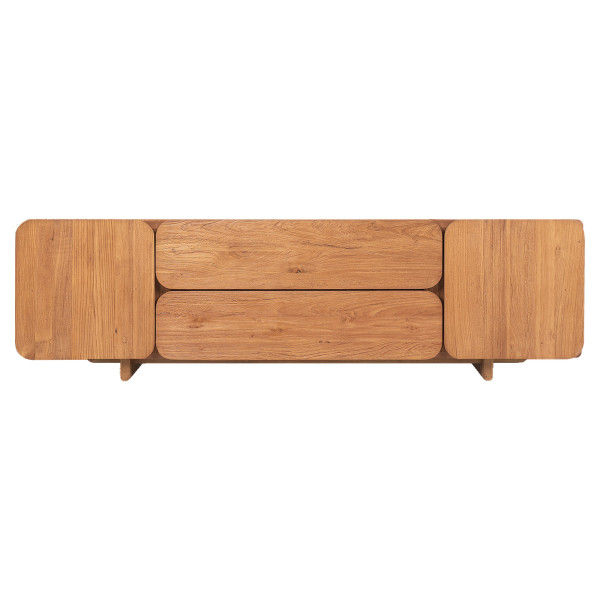
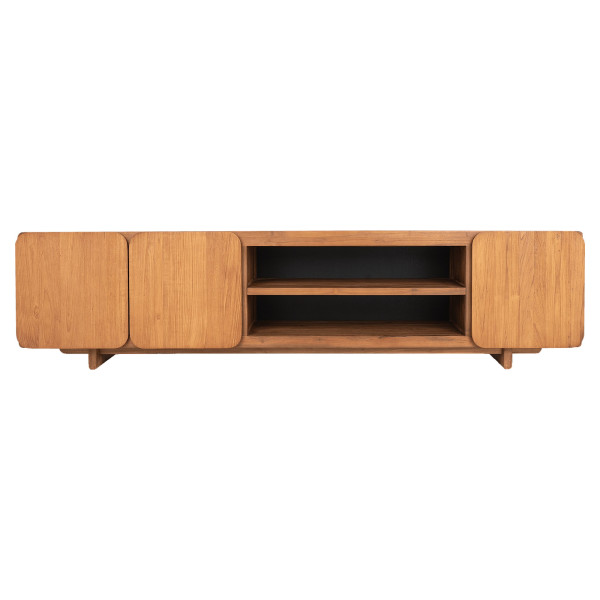
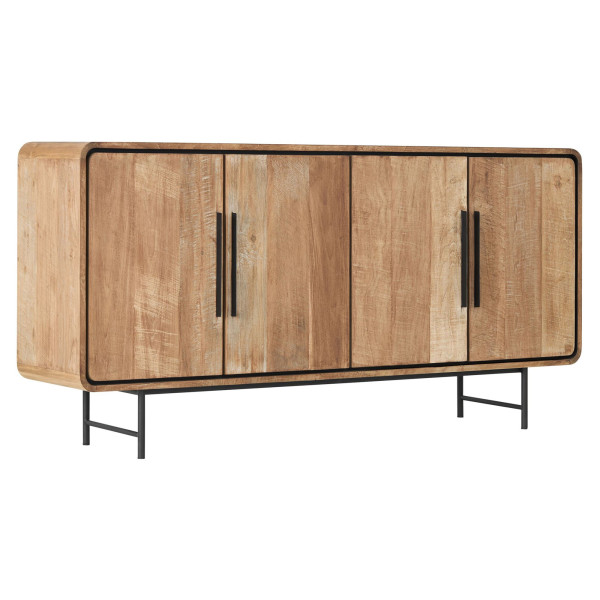
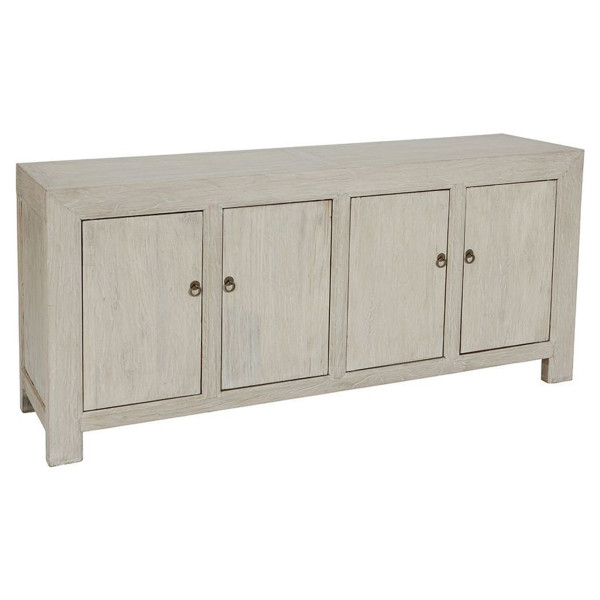
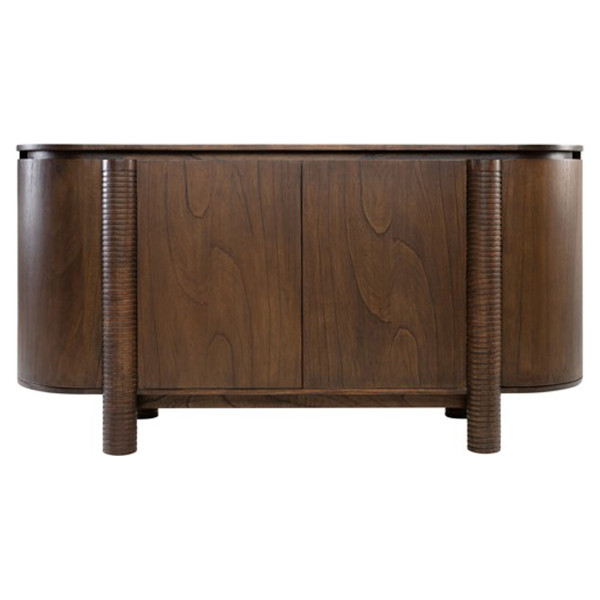
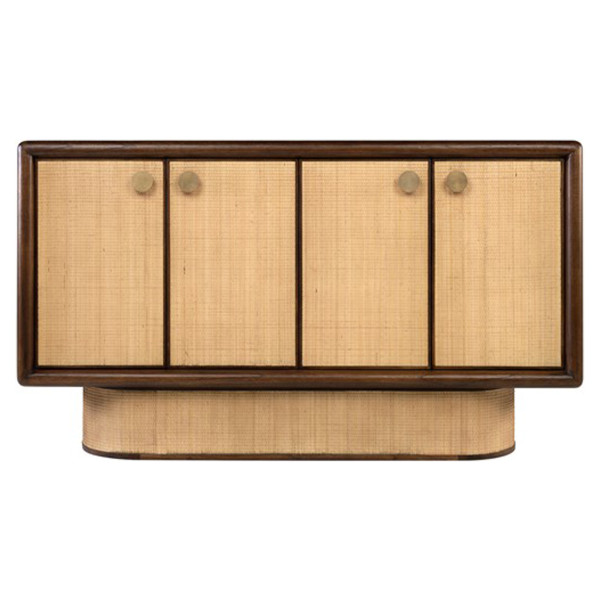
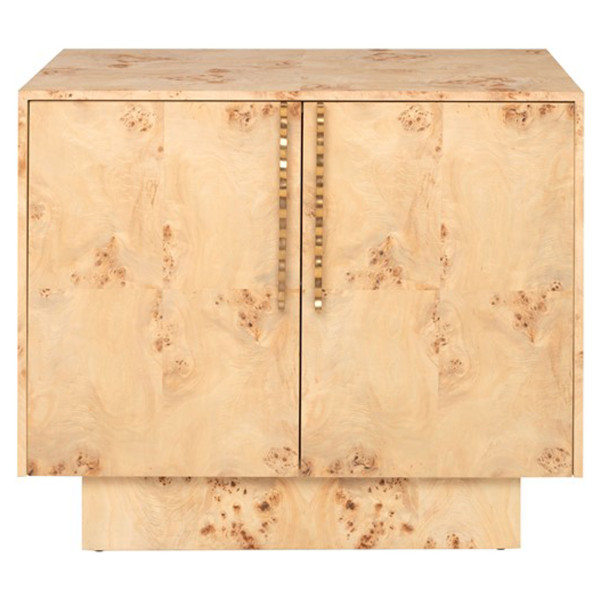

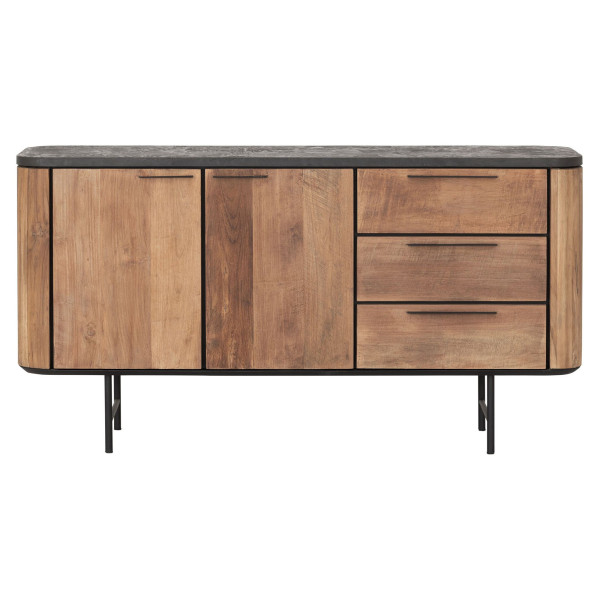
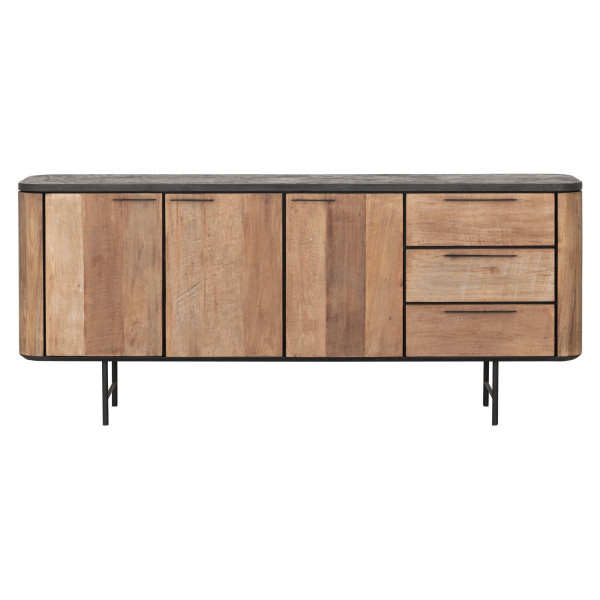
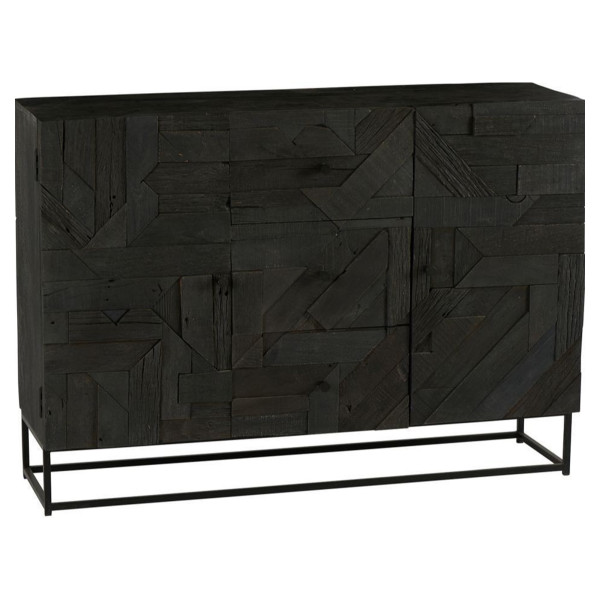
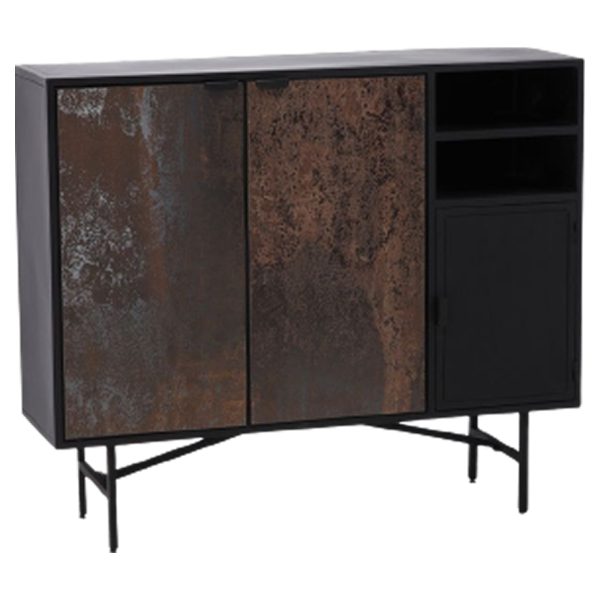
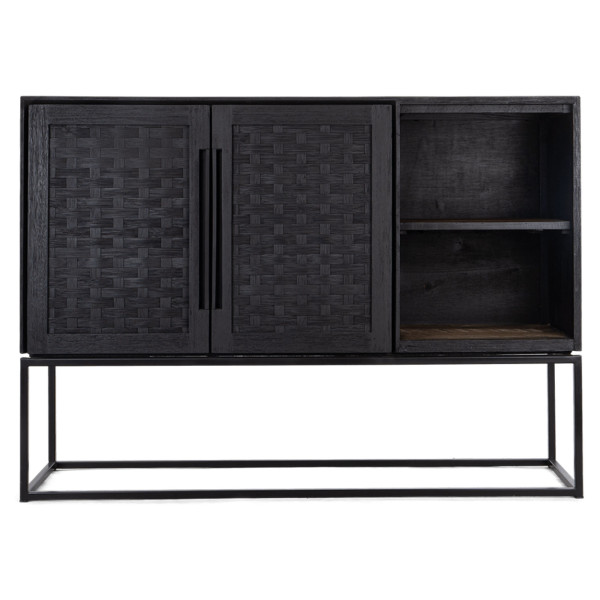
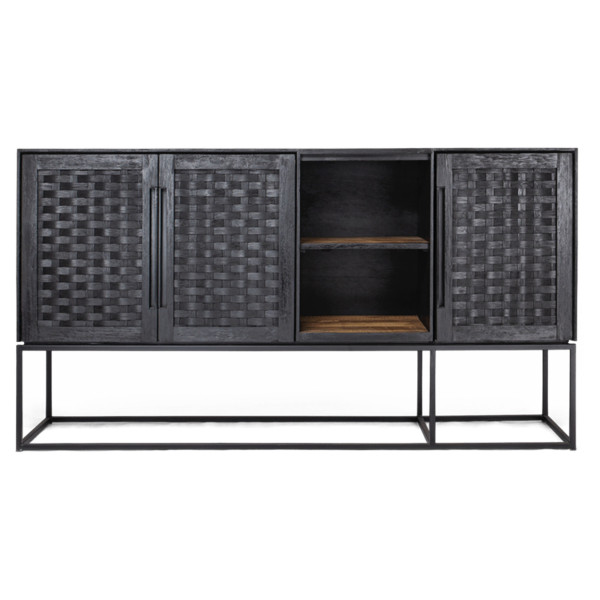
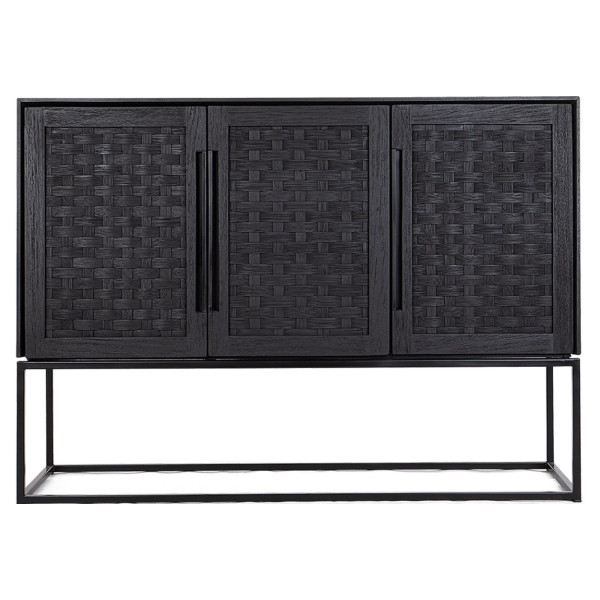
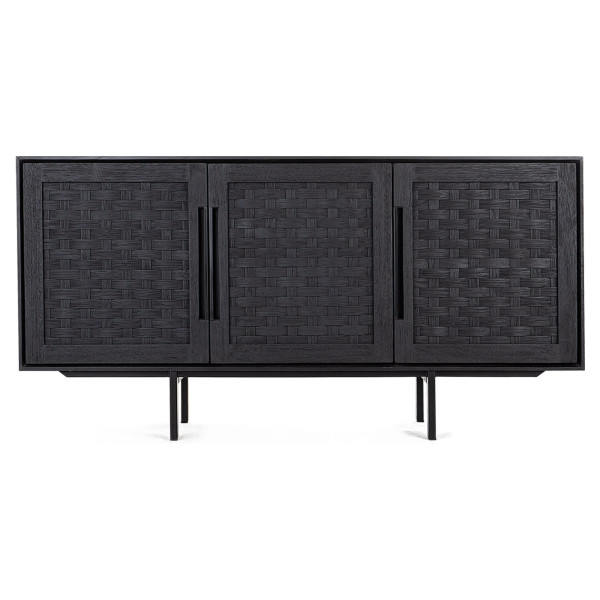

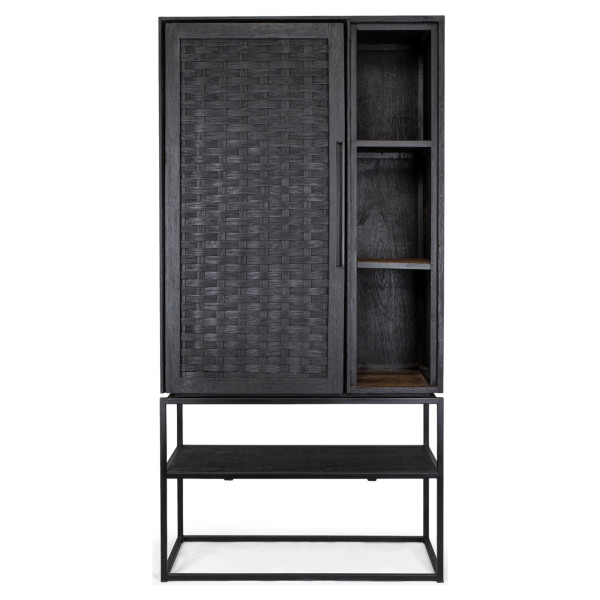


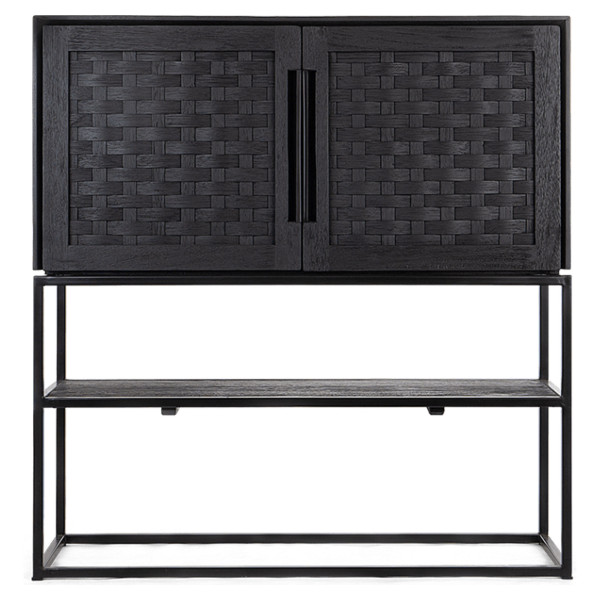
How to choose a sideboard for the dining room or living room?
The sideboard combines closed storage and display space. It must accommodate the planned objects without weighing down the room or hindering the opening of its facades. The interior dimensions and the organization of the compartments are as important as its exterior appearance.
Define the contents of the buffet
For the dishes, check the depth and load of the shelves. Drawers are useful for cutlery and table linens, while large compartments accommodate dishes or appliances. An adjustable shelf makes it easier to adapt to tall objects.
Choose a low or high sideboard
A low sideboard frees up the wall for a mirror or a work and offers an easy-access tray. A taller model increases the storage volume on a reduced width. Compare its height with the windows, switches and other lines of the furniture.
Plan for the opening of the doors
Measure the depth of the furniture and the movement of the doors or drawers. Keep a comfortable path ahead. Sliding doors reduce the space needed, while swinging doors often provide greater access to contents.
Compare materials and maintenance
Wood, veneer, metal, glass and stone create different styles and weights. Protect the tray from liquids and hot objects as recommended. Check the allowable load before placing a collection of dishes or a heavy object.
Anticipate installation and safety
Measure doors, stairs and elevators, then consult the weight and dimensions of the packages. Check the assembly, the adjustment of the doors, the possible wall mounting, the variant and the announced deadline.