
 Česko
Česko Danmark
 Deutschland
 Eesti
Eesti España
 France
 Hrvatska
 Ireland
 Italia
 Latvija
 Lietuva
 Magyarország
 Nederland
 Österreich
 Polska
 Portugal
 România
 Slovenija
 Slovensko
 Suomi
Suomi Sverige
 България
 Ελλάδα
Bedside tables
Discover our nightstands in the Beds universe. Compare dimensions and height in relation to the bed, useful storage and circulation in the room, stability, finishes and maintenance and the delivery time to choose a solution adapted to your space and your habits.
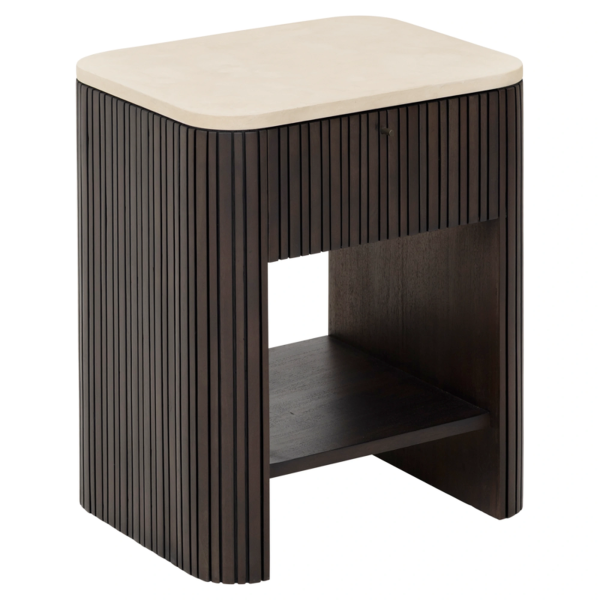
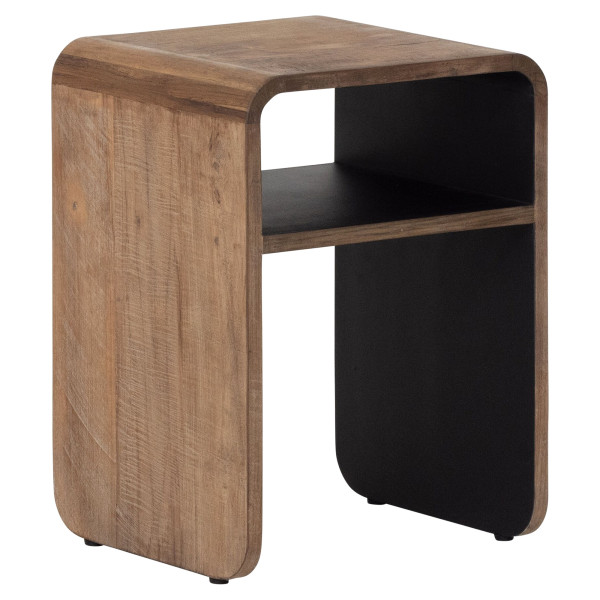
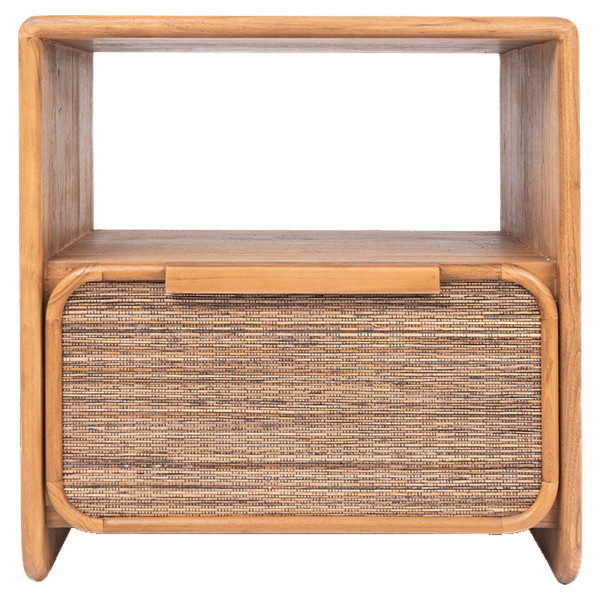
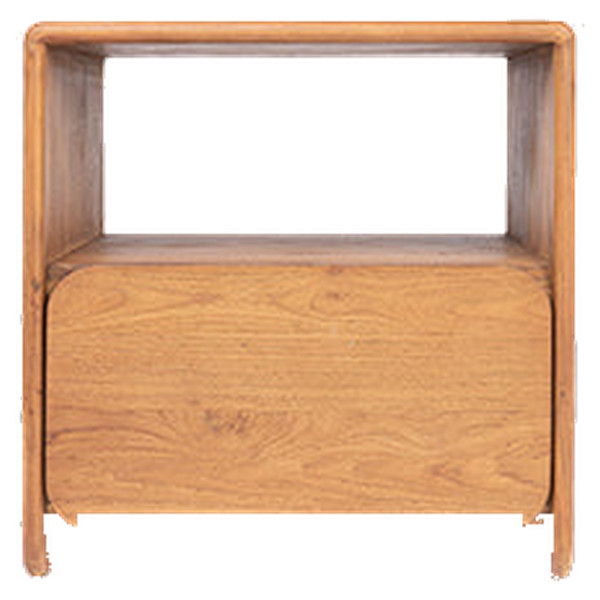
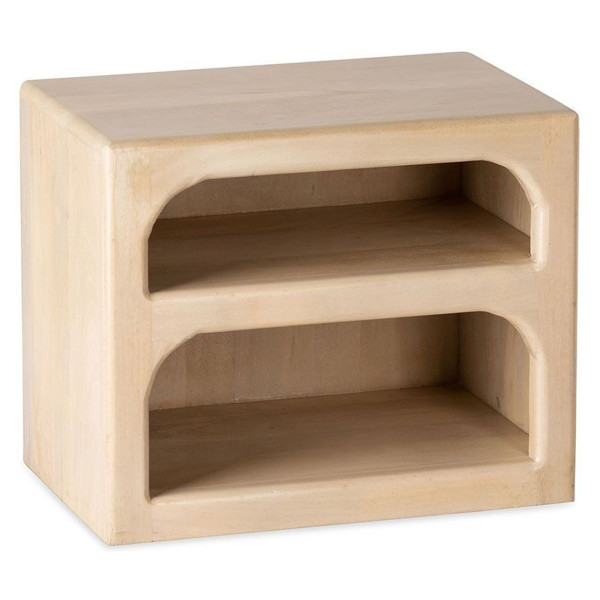
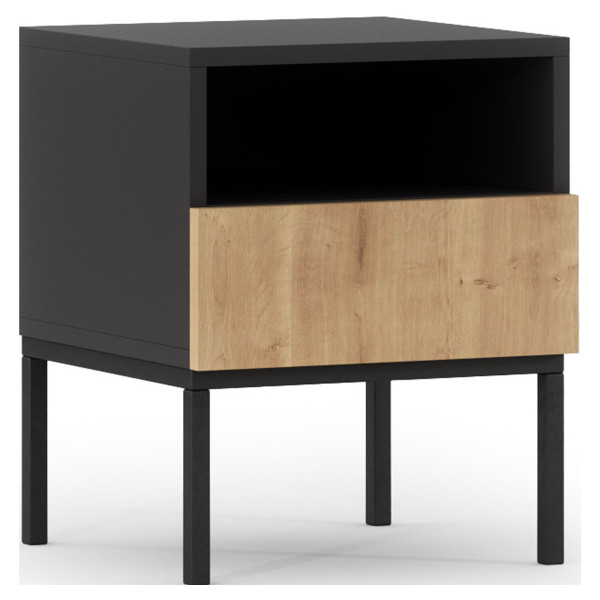
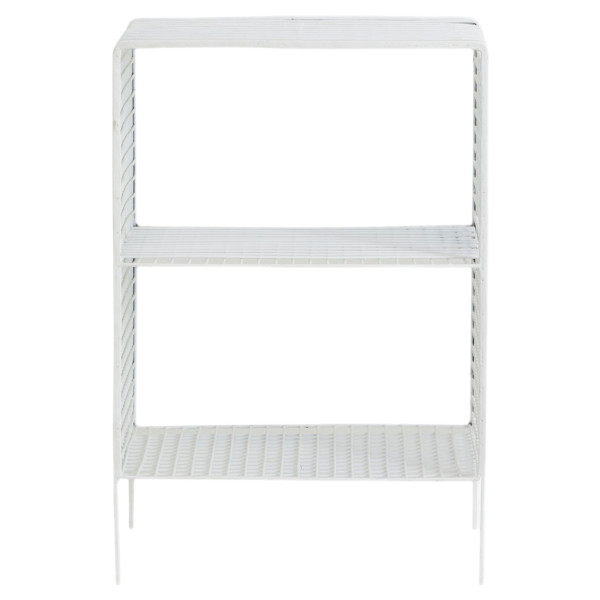
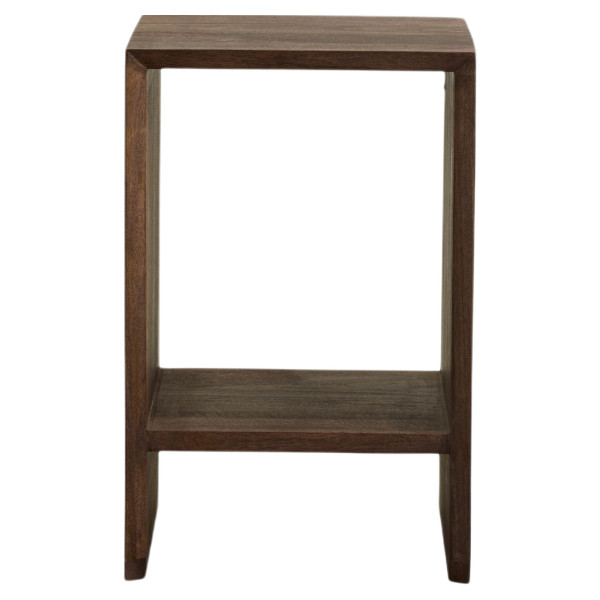
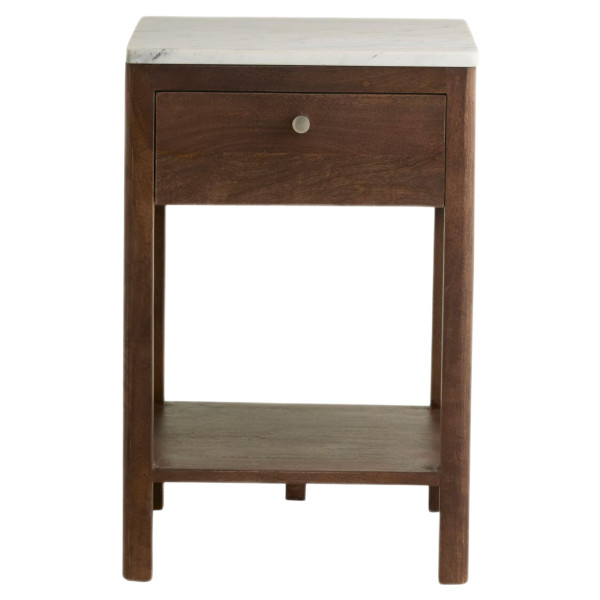
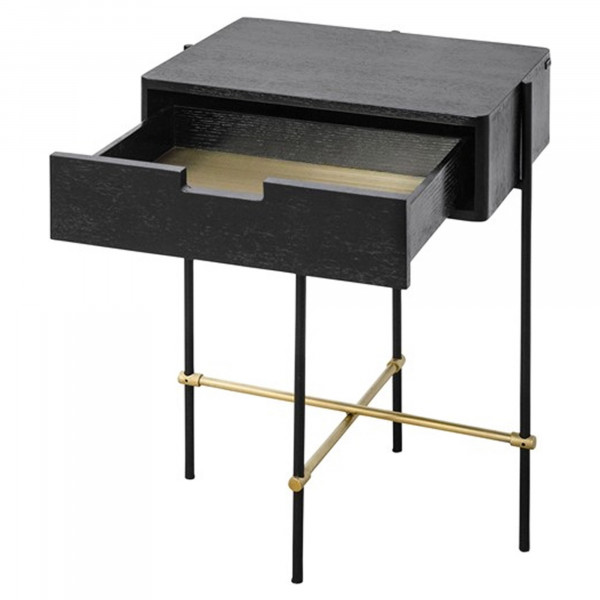
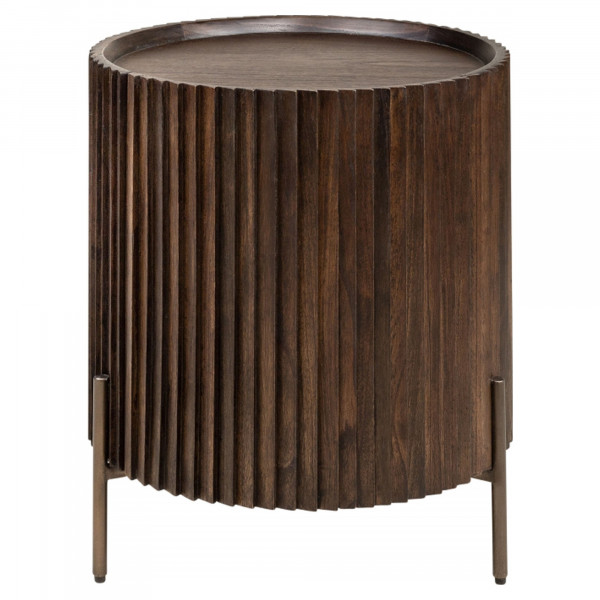
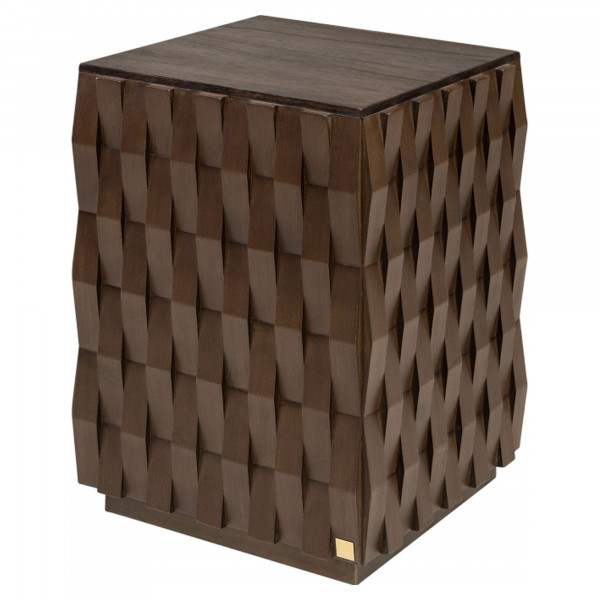
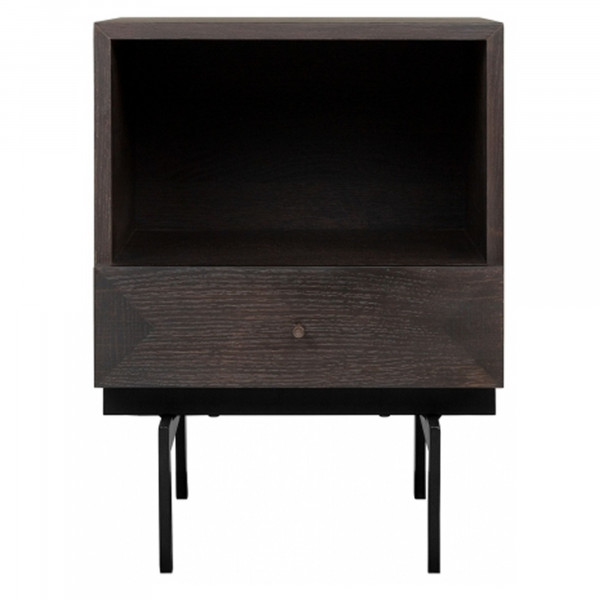
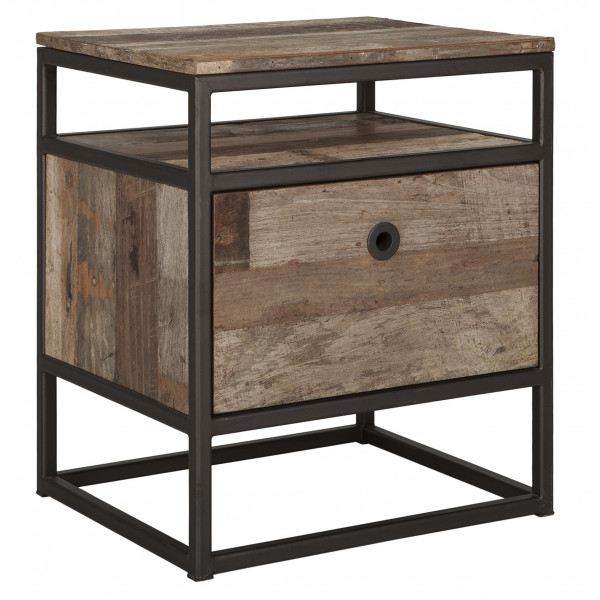
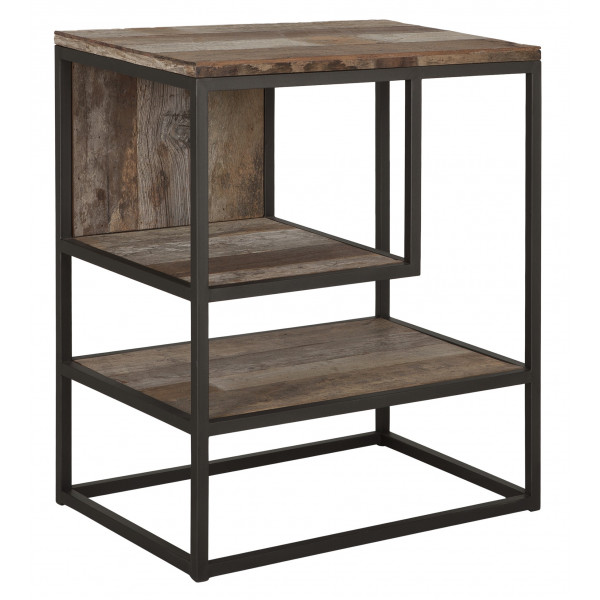
Scaling the bedside table to the bedroom
In a bedroom, a few centimetres can change the entire composition. Too small, the bedside table disappears beside the bed; too bulky, it crowds the sleeping area. A decorator therefore begins with proportions, then arranges repetition, contrast and empty space. The aim is not to furnish both sides at all costs, but to give evening routines a clear rhythm.
Aligning the height with night-time routines
Measure the final height of the bed, including the mattress. A surface close to hand level when you are lying down makes it easier to reach a lamp, book or glass. Depending on its design, a lower model will create a relaxed line; a taller model will have a stronger presence. Check its exact measurements to anticipate this effect.
Giving the bedside table the right presence
The width should suit the available clearance and the objects actually used. In a small room, a compact silhouette preserves the walkway. Beside a generous bed, a larger volume may anchor the composition more effectively. Also identify any doors or drawers and simulate the space needed to open them.
Choosing between symmetry and a freer rhythm
Two identical tables establish a calm framework, particularly effective around a centred bed. An asymmetrical composition feels livelier: heights or shapes may differ, provided that a connection remains. This attention to rhythm also applies in hotels and other professional spaces covered by Flosia’s experience, where every bedside table contributes to clarity of use.
Combining lines and textures
Pair a rounded table with a straight headboard to soften the geometry, or continue clean lines to reinforce understated architecture. A single repeated colour or texture is enough to create a sense of connection. As characteristics and appearance may change from one reference to another, allow the model information to guide the final combination.
Lightening the scene around the bed
Finally, prioritise what remains visible. A well-proportioned lamp, a personal object and the space required for everyday use often create a more convincing bedside arrangement than a crowded surface. Also consider cable routing if you use electric lighting, following its installation instructions. The bedside table then becomes a quiet measure: it frames the bed without weighing down the sense of rest.