
 Česko
Česko Danmark
 Deutschland
 Eesti
Eesti España
 France
 Hrvatska
 Ireland
 Italia
 Latvija
 Lietuva
 Magyarország
 Nederland
 Österreich
 Polska
 Portugal
 România
 Slovenija
 Slovensko
 Suomi
Suomi Sverige
 България
 Ελλάδα
Garden pots
Discover our garden pots in the Garden universe. Compare diameter, height and planting volume, drainage and plant needs, material, weight and frost resistance and delivery time to choose a solution adapted to your space and your habits.

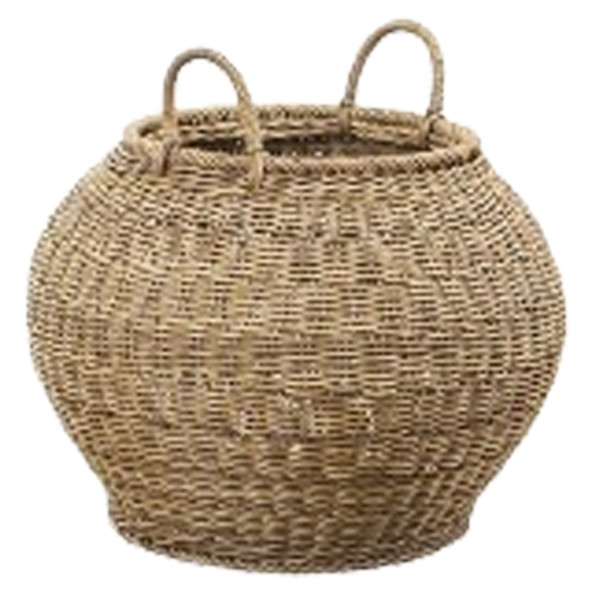
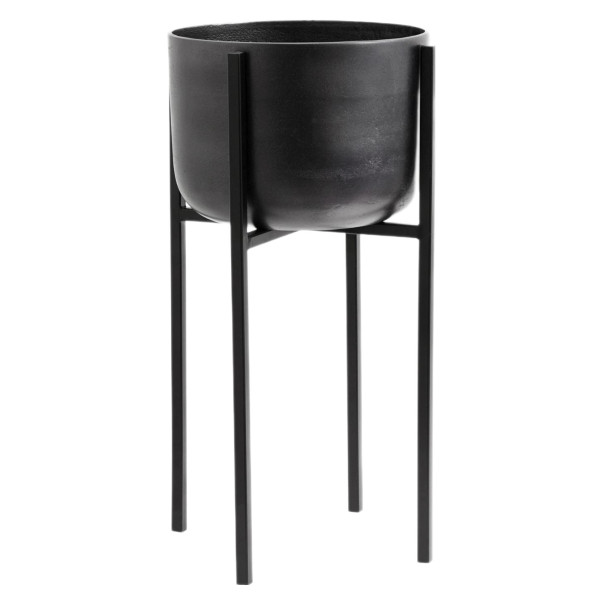
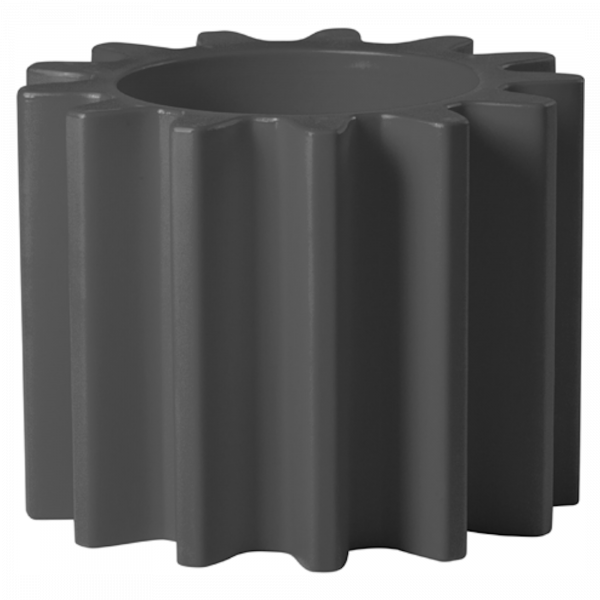
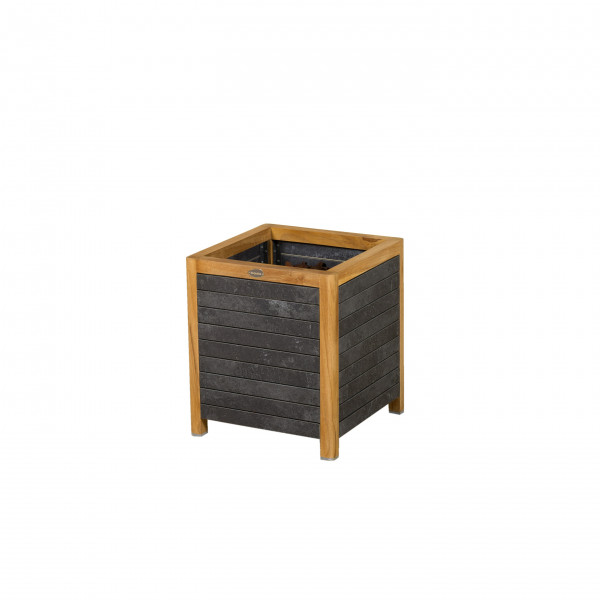
Garden pots: showcasing plants through volume
A single pot can highlight an entrance, while several containers can transform a terrace into a miniature landscape. Success depends less on quantity than on the relationship between height, diameter, foliage and empty space. By arranging these volumes like a setting, you can guide the eye without reducing the available space.
Building a three-level silhouette
Start with a tall volume as the main focal point, add a medium-sized pot to provide a transition, then place a lower container in the foreground. This hierarchy avoids a lined-up effect and keeps every plant visible. In a small area, two levels may be sufficient; on a deep terrace, a third plane adds more dimension.
Then decide according to the growth habit of the intended plants. A vertical silhouette reinforces the height of a slender pot, while trailing foliage softens its base. As planting requirements and conditions of use depend on both plants and models, consult the relevant information before pairing a container with a plant.
Balancing repetition and contrast
Repeating a shape or tone creates continuity, even when dimensions vary. Conversely, combining distinct profiles creates a more spontaneous arrangement, provided you maintain a common thread: a colour, surface appearance or shared proportion. Limit strong contrasts to a single element so it can truly play its role as an accent.
Flosia's expertise, built on more than twenty years of sourcing and procurement for retailers and interior design projects, has a practical application here: creating coherent connections rather than a juxtaposition with no hierarchy.
Placing each arrangement at its point of balance
Near a door, keep the passage clear and offset the group to complement the entrance. In a corner, place the dominant volume at the back to open the composition towards the light. Along a wall, leave irregular intervals rather than creating an overly rigid rhythm. Follow the product page guidance regarding dimensions, use and care, which may vary from one pot to another.
Finally, step back a few paces to observe the filled and empty areas. If each container remains identifiable while contributing to a shared silhouette, the garden gains a structured, vibrant planting display that never feels cluttered.