
 Česko
Česko Danmark
 Deutschland
 Eesti
Eesti España
 France
 Hrvatska
 Ireland
 Italia
 Latvija
 Lietuva
 Magyarország
 Nederland
 Österreich
 Polska
 Portugal
 România
 Slovenija
 Slovensko
 Suomi
Suomi Sverige
 България
 Ελλάδα
Objects and Nature
Discover our objects and nature within the Sculptures universe. Compare height, volume and viewing angle, subject, scale and staging, material, patina and maintenance and delivery time to choose a solution adapted to your space and your habits.

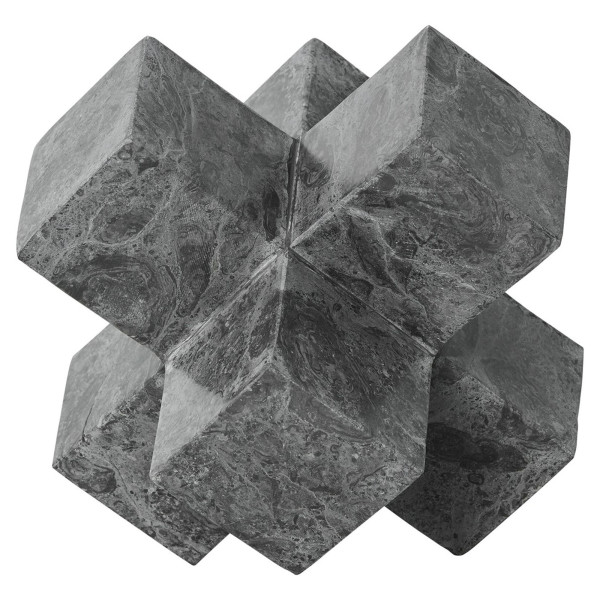
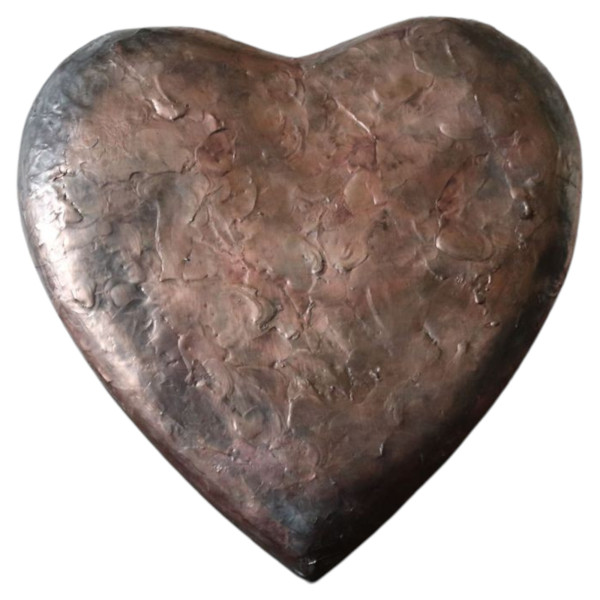
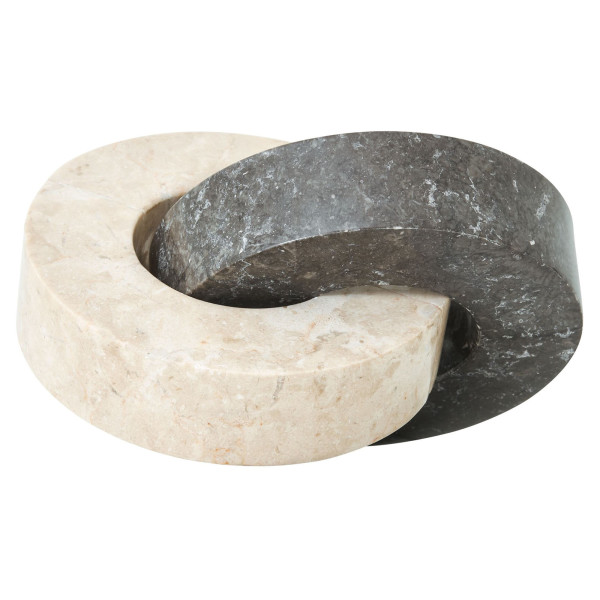
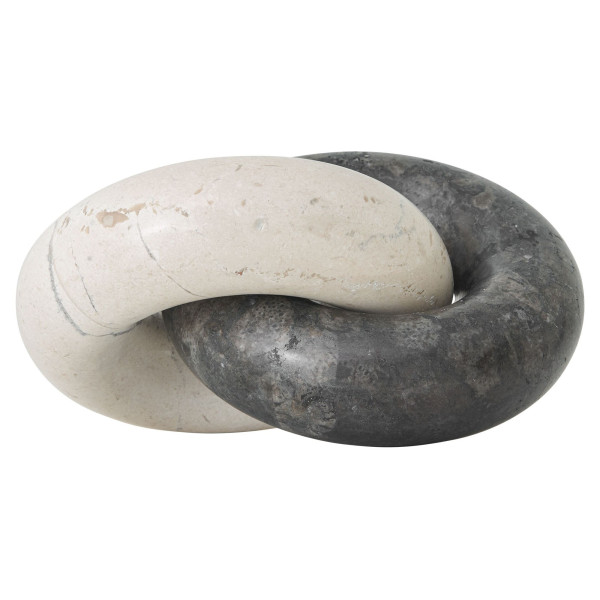
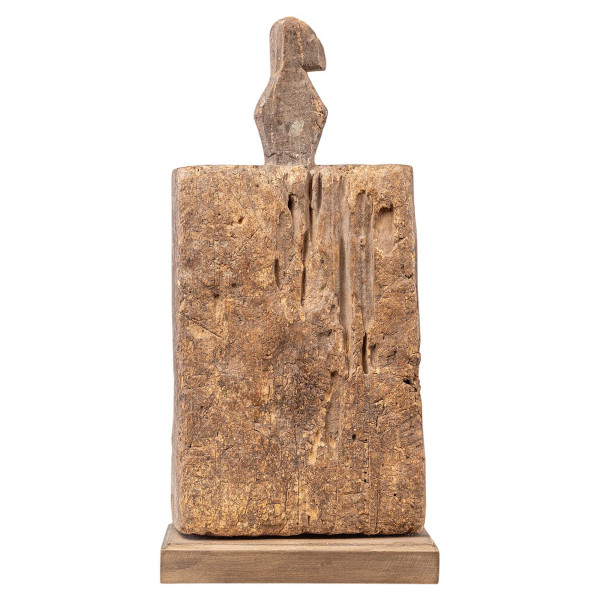
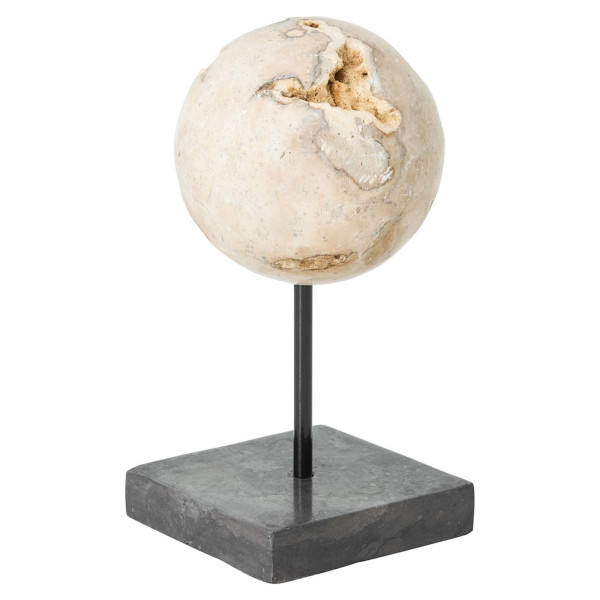


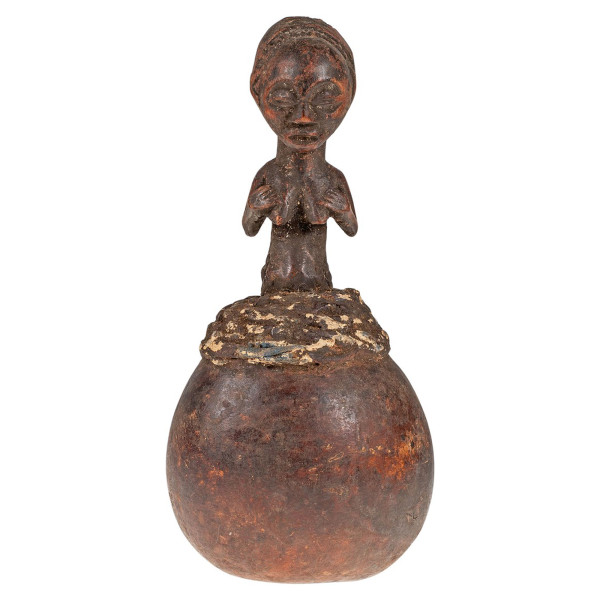



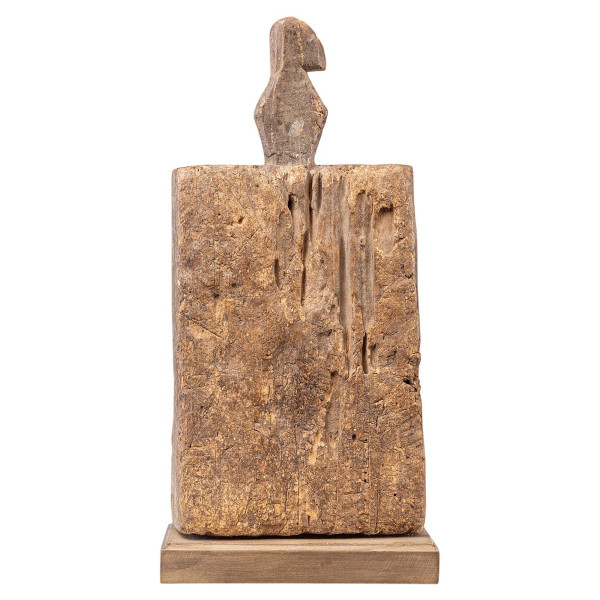

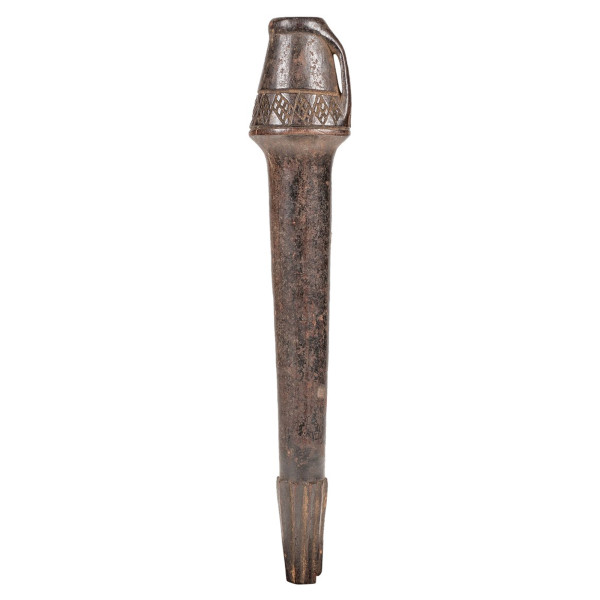
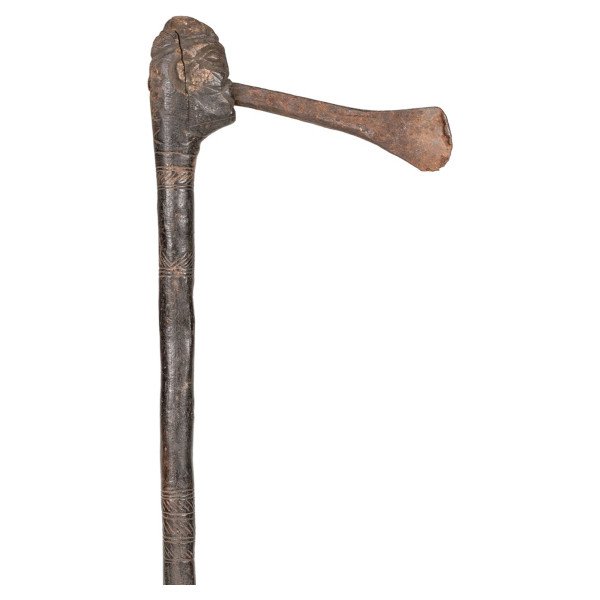
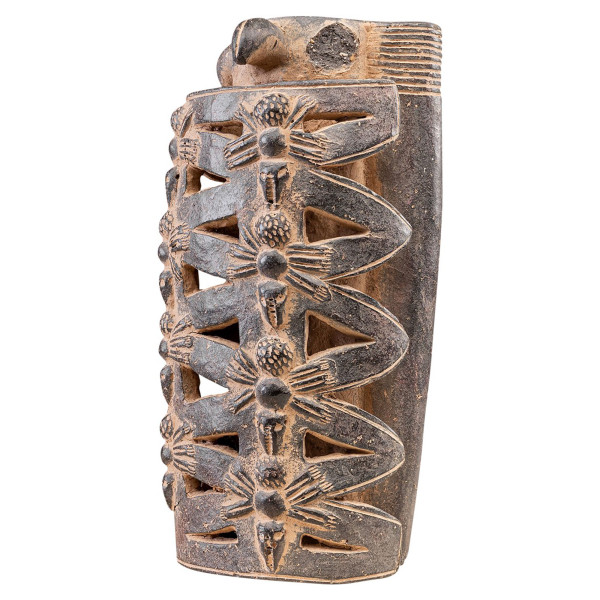
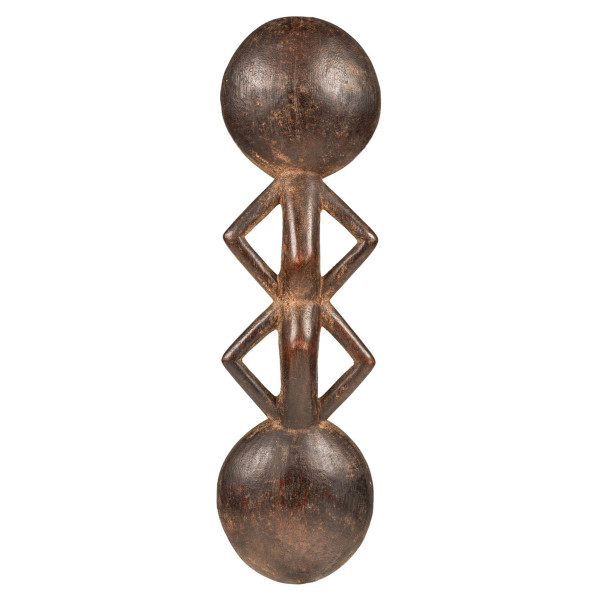
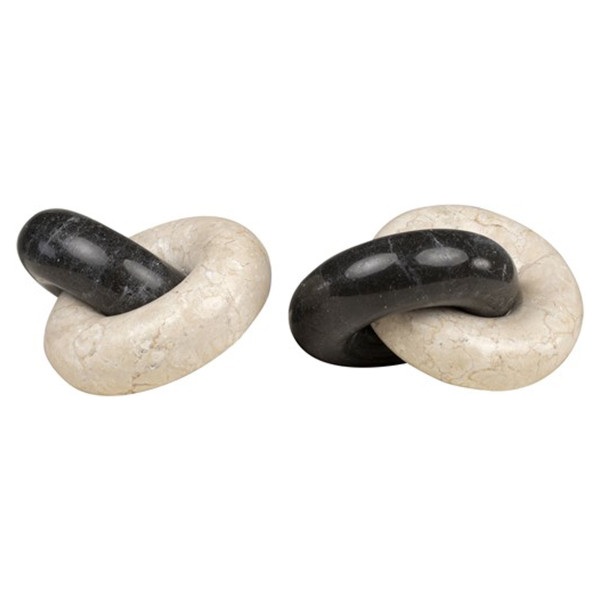
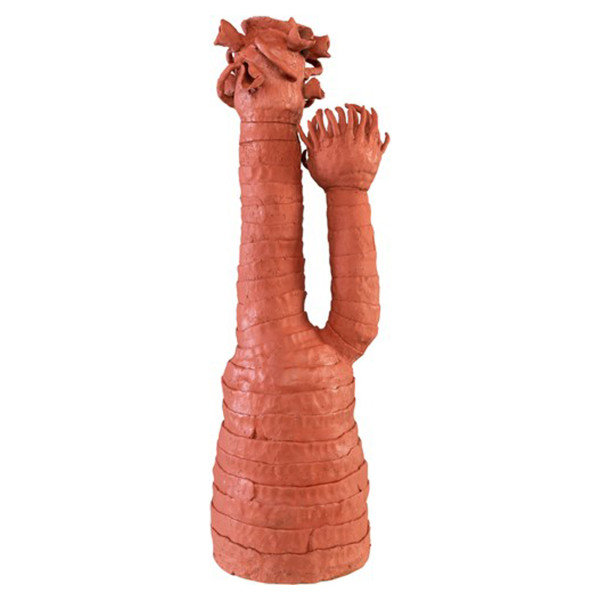
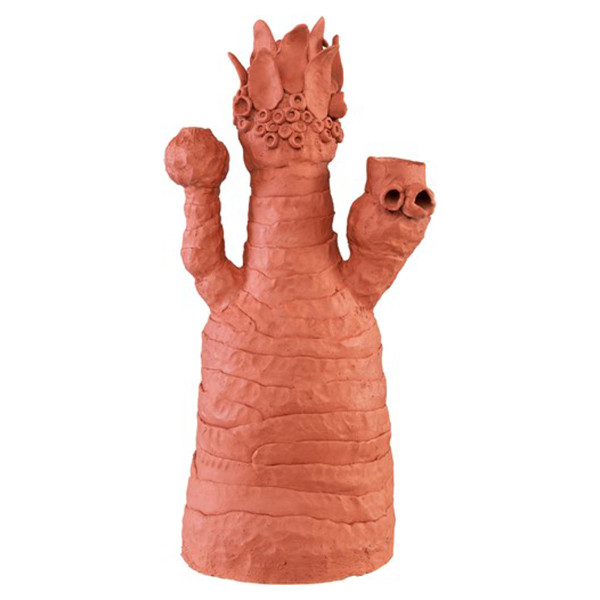
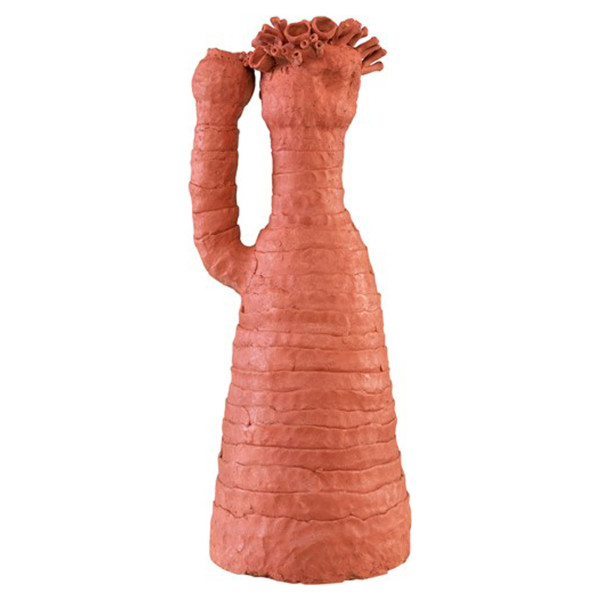
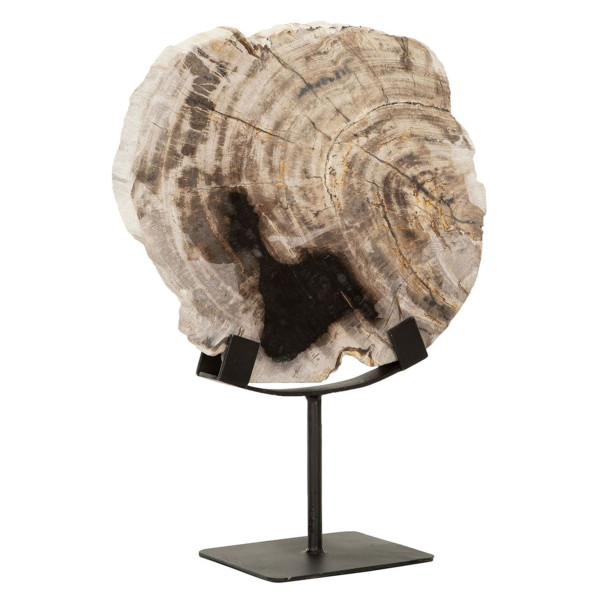
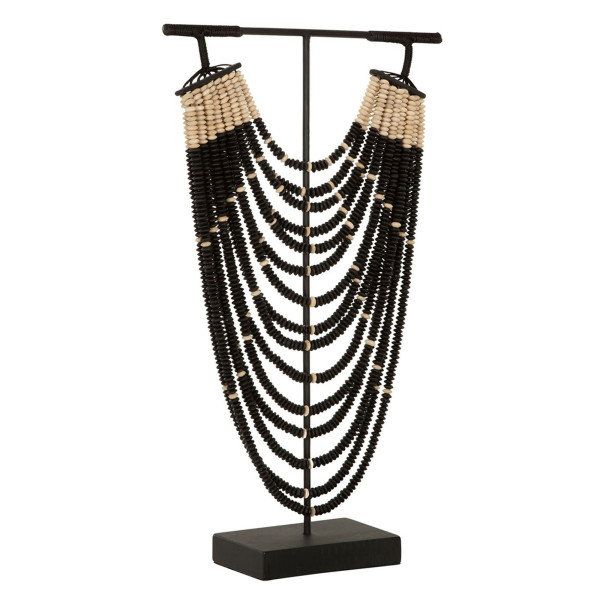
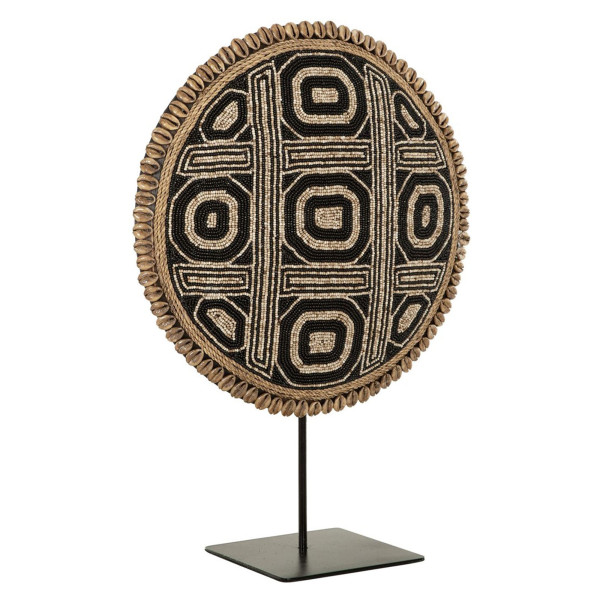
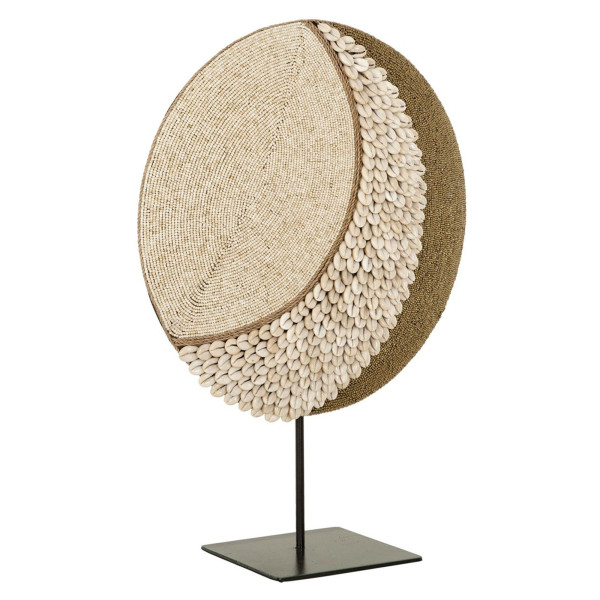
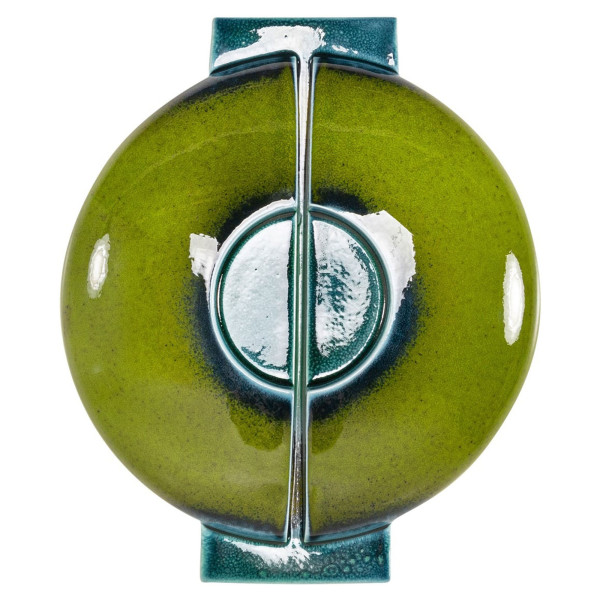
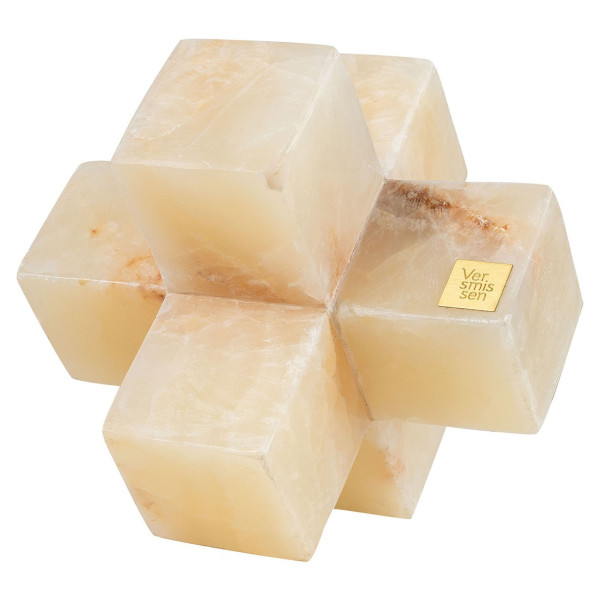
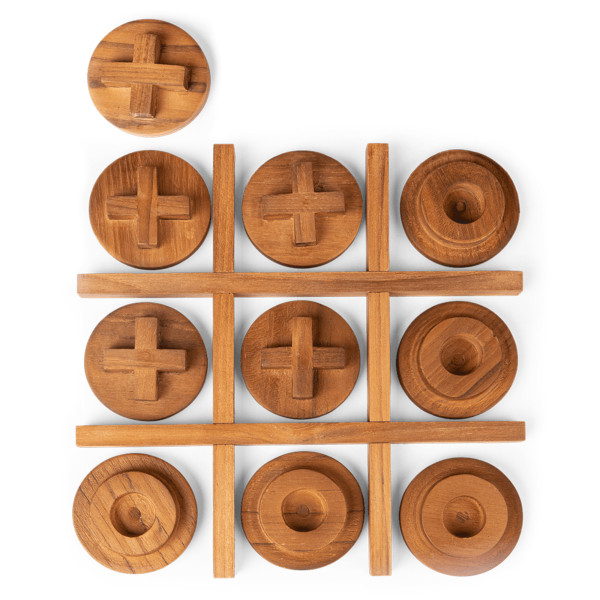
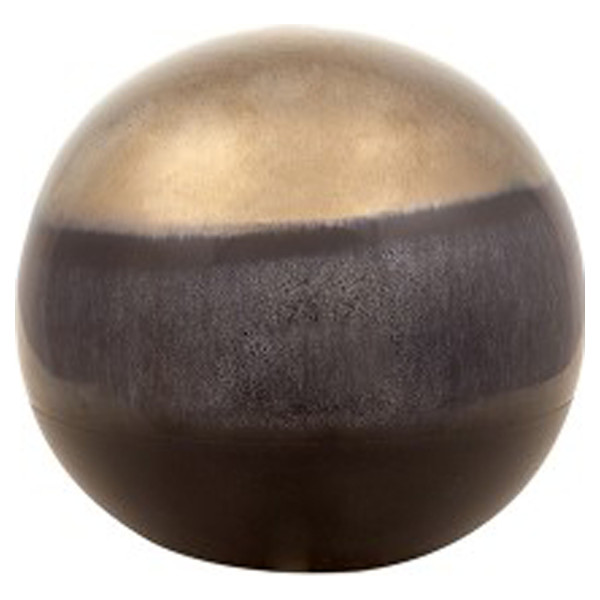
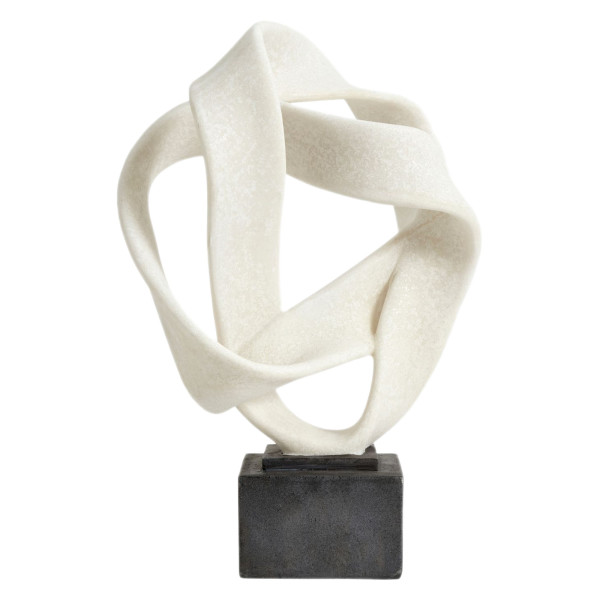
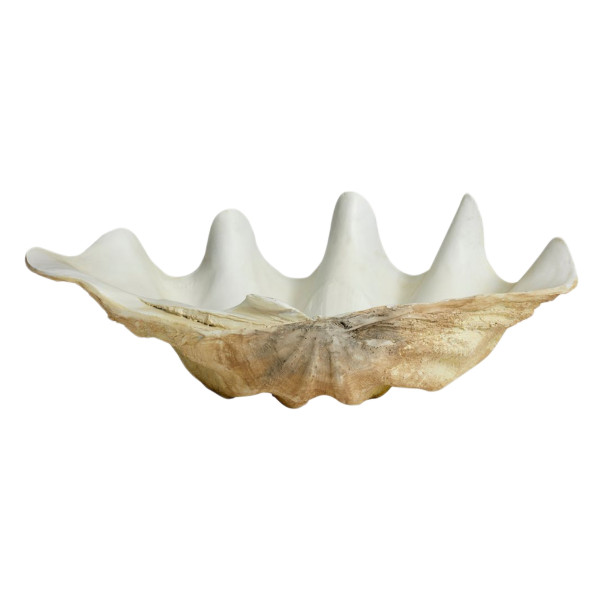
Objects and nature: when organic form becomes sculpture
An enlarged leaf, a reinterpreted fruit or a branch reduced to its essential line does not simply reproduce the living world. Between the initial observation and the finished object, drawing, modelling or assembly can alter proportions and reveal an unexpected rhythm. These sculptures bring nature into the décor without necessarily pursuing realism: they retain a curve, texture or impression from it.
Read nature through shape
Start by looking at the silhouette without immediately focusing on the motif. An elongated shape complements a console table or long table, while a compact volume creates a focal point on a shelf. Irregular lines soften highly geometric furniture, while a more orderly interpretation can calm a detailed setting. This approach helps you select a sculpture for its spatial effect as much as for what it represents.
Distinguish handmade traces from visual effects
A veined surface, imperfect outline or visible imprint may evoke the hand, but craftsmanship should only be claimed when stated. If a particular shaping method or expertise is documented, observe how it brings the reliefs and transitions to life. In every case, consult the model-specific information for its composition, finish and any stated individual features.
Establish an organic rhythm
Avoid gathering too many natural motifs in the same place. A single expressive piece may be enough among books or simply shaped objects. To create an arrangement, focus on heights and open spaces rather than accumulating themes. Side lighting can highlight the relief, provided the position complies with the object's recommendations for use and care.
Adapt the presence to the setting
In a living room, an organic sculpture creates breathing room among architectural lines. In an entrance, it offers an immediate welcoming feature. Its visual language may also suit professional spaces: Flosia's experience extends to hotels, restaurants, offices, performance venues and other places designed for shared use. In these settings, consider viewing distance, circulation and the desired atmosphere rather than approaching the space as a domestic room.
Measure the supporting surface and visualise the volume from several angles before deciding. Between faithful representation and abstraction, the right object is the one that leaves room for interpretation while giving the space a more vibrant spirit.